
My PUBG Battlegrounds Journey: Triumphs, Tribulations, and a 2026 Perspective
Explore the dramatic journey of PUBG Battlegrounds, from controversial bans to its enduring legacy as a strategic and community-driven gaming phenomenon.
Looking back from 2026, my journey with PUBG Battlegrounds feels like a long, winding road filled with heart-pounding victories, crushing defeats, and a whole lot of drama from the outside world. I remember when the news first hit back in the day—countries like India, Nepal, and then little Bhutan were slapping bans on the game faster than you could say "Winner Winner Chicken Dinner." The reasons were always the same old song: violence and addiction. I gotta be honest, hearing about a place like Bhutan, tucked away in the Himalayas, blocking the servers felt… surreal. It was like the whole world was having a moral panic about our digital playground.
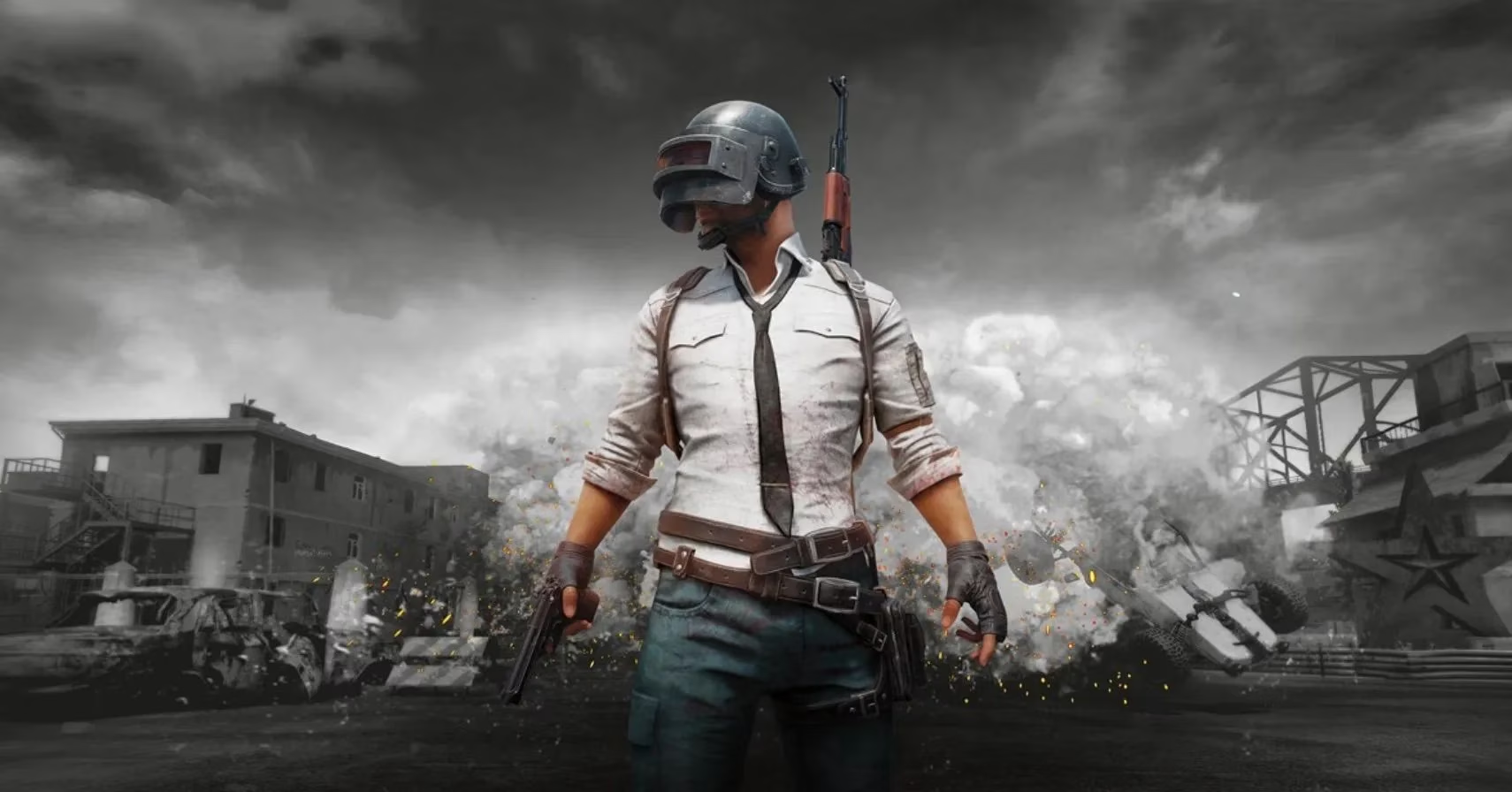
Back then, the authorities, like Bhutan's BICMA, pointed to some truly awful real-world incidents. There was that terrible story from India about a young player… well, let's just say it ended in tragedy over a mobile plan. And then you had the guy who decided his wedding vows were less important than a quick match—talk about having your priorities scrambled! 🙃 These stories became the poster children for everything wrong with gaming. But sitting here in my rig in 2026, with all the perspective time gives you, it feels way too simplistic to blame the game itself. It's like blaming the car for a crash instead of the driver, you know? People's own lives, their circumstances, get lost in the noise.
For me and my squad, PUBG was never about the violence. Nah, it was about the strategy, the teamwork, the pure, unadulterated rush of being the last ones standing. The game itself was just… a beautiful, tense sandbox.
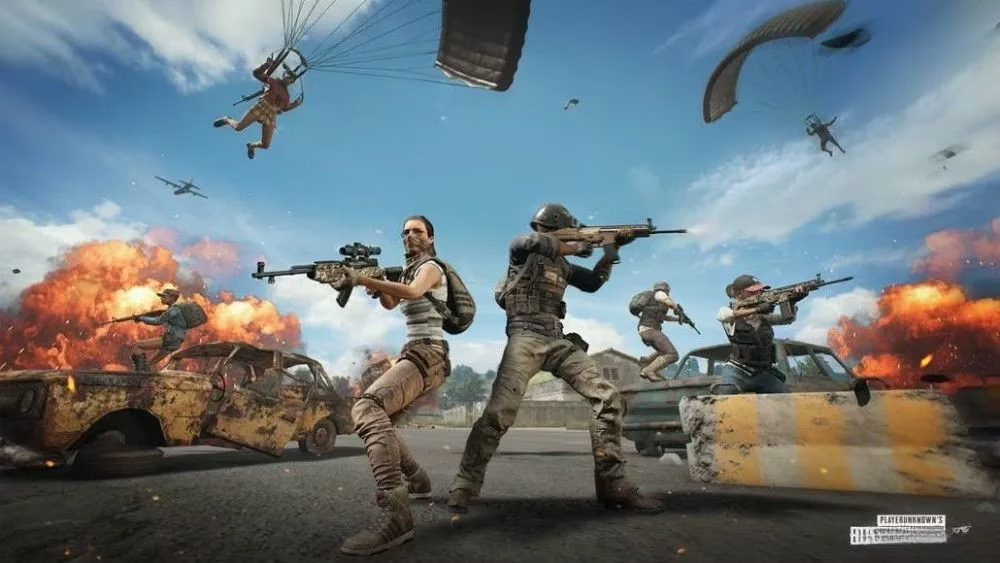
The bans back then created a weird split in the global community. Some regions went dark, while others thrived. We wondered what the long-term effect would be. Would it kill the game? Would it just push players to VPNs and private servers? Fast forward to now, and the landscape has changed dramatically. The conversation around gaming has (mostly) matured. We talk about:
-
Digital Wellness: Setting play timers, taking regular breaks—common sense stuff that's built into most devices now.
-
Context Matters: Recognizing that games are one part of a person's life, not the sole cause of their actions.
-
Community & Esports: Highlighting the positive sides—the careers built, the friendships forged in fiery drops.
Looking at the old controversy through today's lens, the reaction feels a bit… heavy-handed. Cutting off access for everyone because of a few bad apples? It never sat right with me. It punished the millions of us who played responsibly, who found joy and challenge in Erangel and Miramar. The game had its flaws, sure—the bugs could be hilarious and infuriating—but it was ours. It taught me more about patience, resource management, and under-pressure communication than any seminar ever could.
| Then (2019-2020) | Now (2026 Perspective) |
|---|---|
| Bans for "violence & addiction" | Focus on tools, education, and balanced play |
| Isolated, scary headlines | A more nuanced understanding of gaming's role |
| Community fragmentation | Stronger, more global (and regulated) esports scenes |
The legacy of those early bans is complicated. In some ways, they forced a necessary conversation about gaming in society. In others, they were a blunt instrument that missed the point entirely. PUBG, for all its controversy, was a pioneer. It defined the battle royale genre for a generation and created moments I'll never forget—like that time my squad pulled off a crazy 1v4 clutch with nothing but smoke grenades and sheer willpower. The game, at its core, wasn't the problem. It was just a mirror, sometimes reflecting the best of us, sometimes the worst.
So here's to the battlegrounds, past and present. They were never just about the fight; they were about the stories we created there. And that's a legacy no ban could ever erase.
The above analysis is based on reports from Gamasutra (Game Developer), which frequently explores the societal impact of games like PUBG Battlegrounds. Their coverage delves into how regulatory actions and bans in regions such as South Asia have shaped both player behavior and game development strategies, emphasizing the importance of responsible design and community engagement in the evolving landscape of online gaming.